When Your Pergola Kit Arrives, We Install It
The Kit Arrived. Now What?
You ordered your pergola kit weeks ago. The boxes finally showed up, stacked on the driveway, and you cracked open the first one to find lumber, hardware, and a booklet of assembly instructions. That moment of excitement can quickly turn into a question: who is going to put this thing together? If you have ever attempted a DIY pergola, you know the answer is not always straightforward. Time, tools, and patience all come into play. That is where a professional assembly service like We Install It steps in. They handle the work so you do not have to spend your weekends wrestling with post anchors and concrete footings.
Why Assembly Matters More Than You Think
A pergola is a shade structure, but it is also a permanent addition to your property. A patio cover that is not properly anchored or leveled can become a safety hazard. The wind catches it, the posts shift, and suddenly you are looking at a leaning structure instead of a comfortable outdoor room. I have seen homeowners try to save a few hundred dollars by doing it themselves, only to realize that the concrete footings were not deep enough or the anchor system was not rated for their local soil conditions. That is not a problem you want to discover after the first storm.
The assembly instructions that come with a pergola kit assume you have a certain level of experience. They assume you own a drill, a level, a wrench, and safety glasses. They assume you know how to interpret a diagram that shows a bracket going on a beam without actually explaining which side faces up. In practice, many people get halfway through and realize they are missing a step or that they have already put the frame together backward. That is frustrating, and it can cost you money in wasted materials and replacement parts.
The Tools and Skills You Might Not Have
Even a straightforward kit requires a decent set of tools. You need a drill with the right bits, a level long enough to check post alignment, a wrench for tightening bolts, and safety glasses for cutting or drilling. If your kit uses aluminum beams, you need to be careful not to strip the threads. If it uses lumber, you might need to apply wood stain before assembly, which adds another day of work. Vinyl pergolas have their own quirks, like making sure the panels snap in without cracking. None of this is impossible, but it takes time and attention to detail.
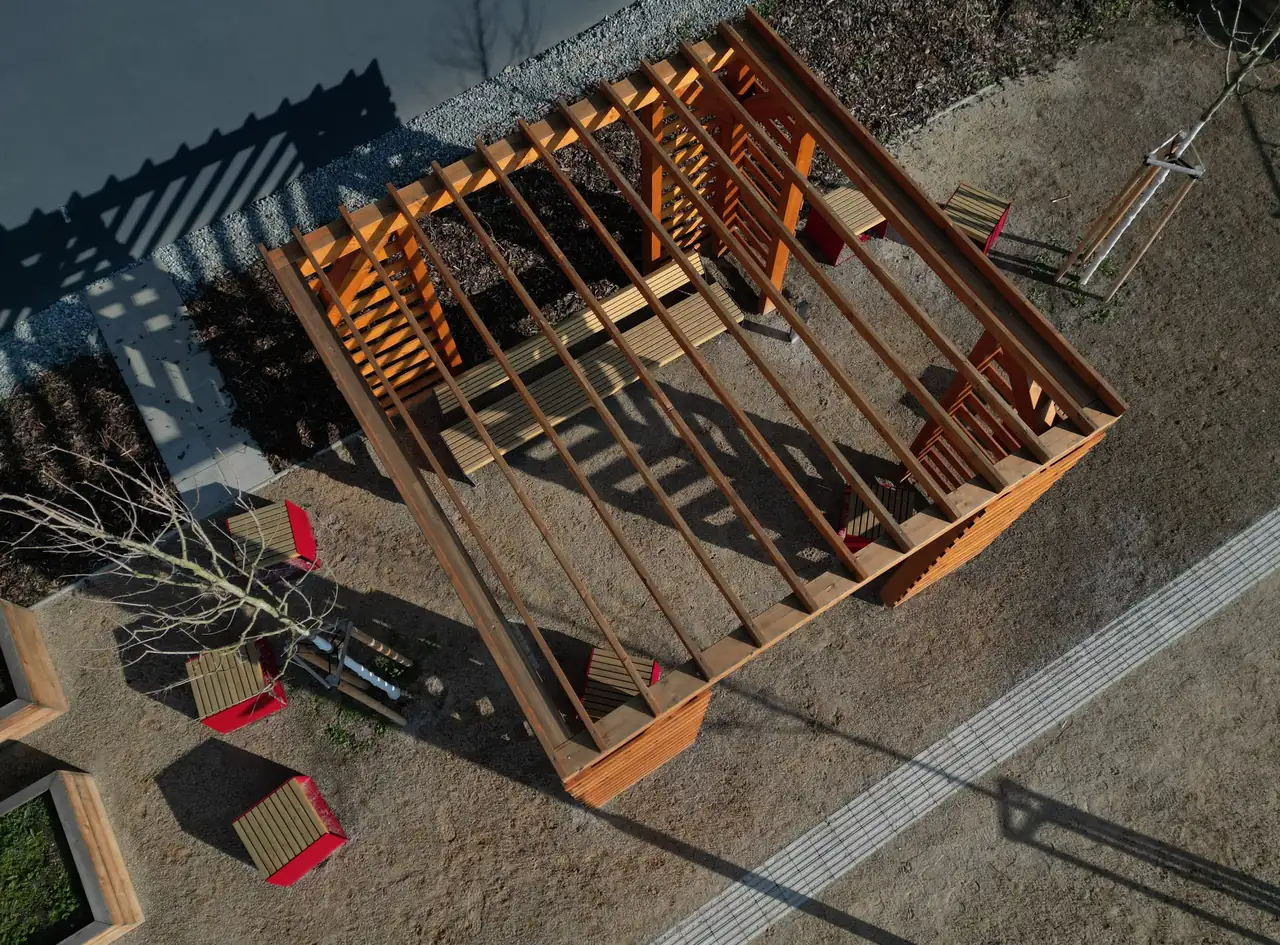
When We Install It sends a crew to your home, they bring all of that. They have the tools, the experience, and the knowledge of how different materials behave. Aluminum expands and contracts differently than lumber. Vinyl needs to be handled at the right temperature. A gazebo kit has more roof panels and requires extra bracing. These are details that come from doing this work day in and day out. The crew has dealt with mislabeled hardware, missing screws, and instructions that were translated poorly. They know what to do when a bracket does not fit or a beam is slightly warped.
Anchoring: The Part You Cannot Skip
The anchor system is the foundation of your pergola. Without it, the structure is just a pile of lumber or aluminum sitting on the ground. Concrete footings are the standard approach, but they need to be placed correctly. The depth depends on your frost line. The alignment depends on the kit dimensions. If you are off by even an inch, the whole frame will be out of square. Post anchors are then bolted to the concrete, and the posts are attached to those anchors. It sounds simple, but I have seen people pour footings without checking the local building codes, only to have to tear them out and start over.
Professional installers know how to handle this. They check the site, mark the layout, and pour footings that meet code. They use a level to make sure every post is plumb before the concrete sets. They also know when to use adjustable post anchors versus fixed ones, depending on the kit and the ground conditions. That level of precision is hard to achieve alone, especially if you are working with heavy beams and trying to hold everything in place while the concrete dries.
What You Get with a One-Year Labor Warranty
One of the advantages of hiring a service like We Install It is the warranty on labor. If something shifts or loosens over the first year, they come back and fix it. That is peace of mind you do not get when you do it yourself. If you tighten a screw wrong or miss a bracket, you are the one who has to figure out how to undo it. With a professional crew, you have a recourse. The warranty covers the workmanship, not just the parts. That matters because even the best kit can have a fastener that works loose over time. Having someone else responsible for that correction is valuable.
Common Mistakes People Make on Their Own
- Not checking local building codes before starting. You might need permits or specific setbacks.
- Using the wrong size concrete footings or not letting them cure long enough before attaching posts.
- Ignoring the need for wood stain or sealer on lumber kits, leading to rot within a season or two.
- Mixing up hardware from different bags or assuming screws are interchangeable.
- Skipping the step of checking for level after the frame is up, then discovering the roof sags.
These are all preventable, but they require time, attention, and sometimes a second pair of hands. That is where a crew that has done this before makes a difference. They have seen the mistakes and know how to avoid them.
The Real Cost of a DIY Pergola
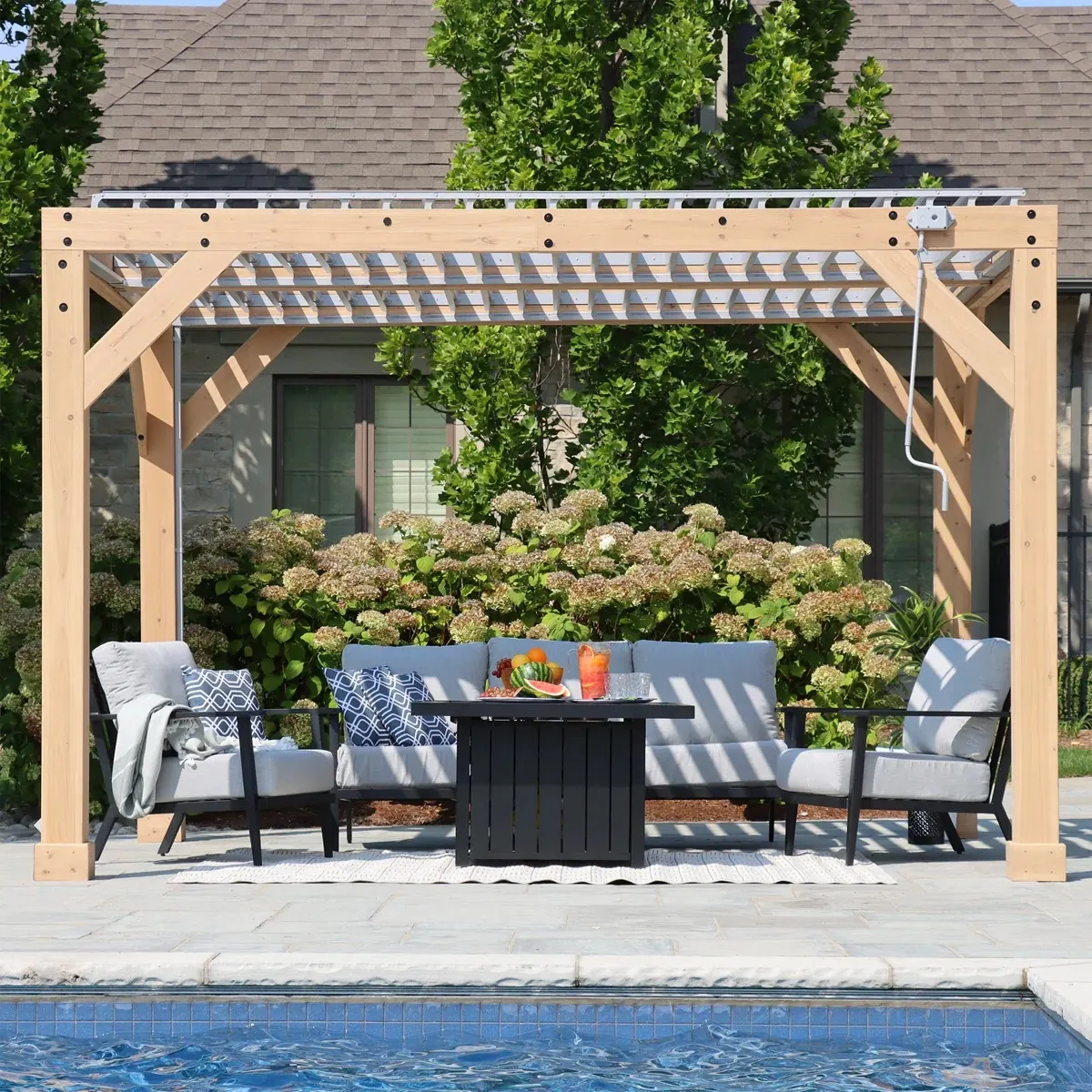
When you price out a pergola kit, you are looking at the cost of the materials. What is not included is your time. If you take a weekend to assemble it, and then another weekend to fix something that went wrong, you have spent two weekends on a project that a professional crew could finish in one or two days. That time has value. So does the frustration of dealing with a project that drags on. I have talked to people who started a DIY pergola in May and did not finish until August because they kept running into problems. By that point, they wished they had just paid for installation.
We Install It offers a service that removes that uncertainty. You buy the kit, and they handle the rest. They bring the tools, the knowledge, and the experience. They also handle the disassembly and relocation if you ever move or want to rearrange your yard. That flexibility is something you do not get with a permanent structure that you built yourself. If you decide to sell your house, a professionally installed pergola can be a selling point. If you built it yourself and it is not quite square, it might be a liability.
Thinking About a Gazebo or Patio Cover
The same principles apply to a gazebo or a larger patio cover. These structures have more roof area and require even more careful anchoring. The wind load is higher, and the frame needs to be stiffer. Aluminum and vinyl gazebos are popular because they are lighter and do not need staining, but they still need a solid anchor system. If the kit uses aluminum, the hardware is usually stainless steel to prevent corrosion. That is a detail that matters in coastal areas or places with high humidity. A professional installer knows to check for that and to use the right fasteners.
Lumber kits are heavier and more traditional. They need wood stain or sealer applied before assembly, because once the beams are stacked, you cannot reach all the surfaces. That is a step that many people skip, and it leads to premature rot. A crew that does this work regularly knows to apply the stain first, let it dry, and then assemble. That adds a day to the process, but it extends the life of the structure by years.
Why We Install It Works for Homeowners
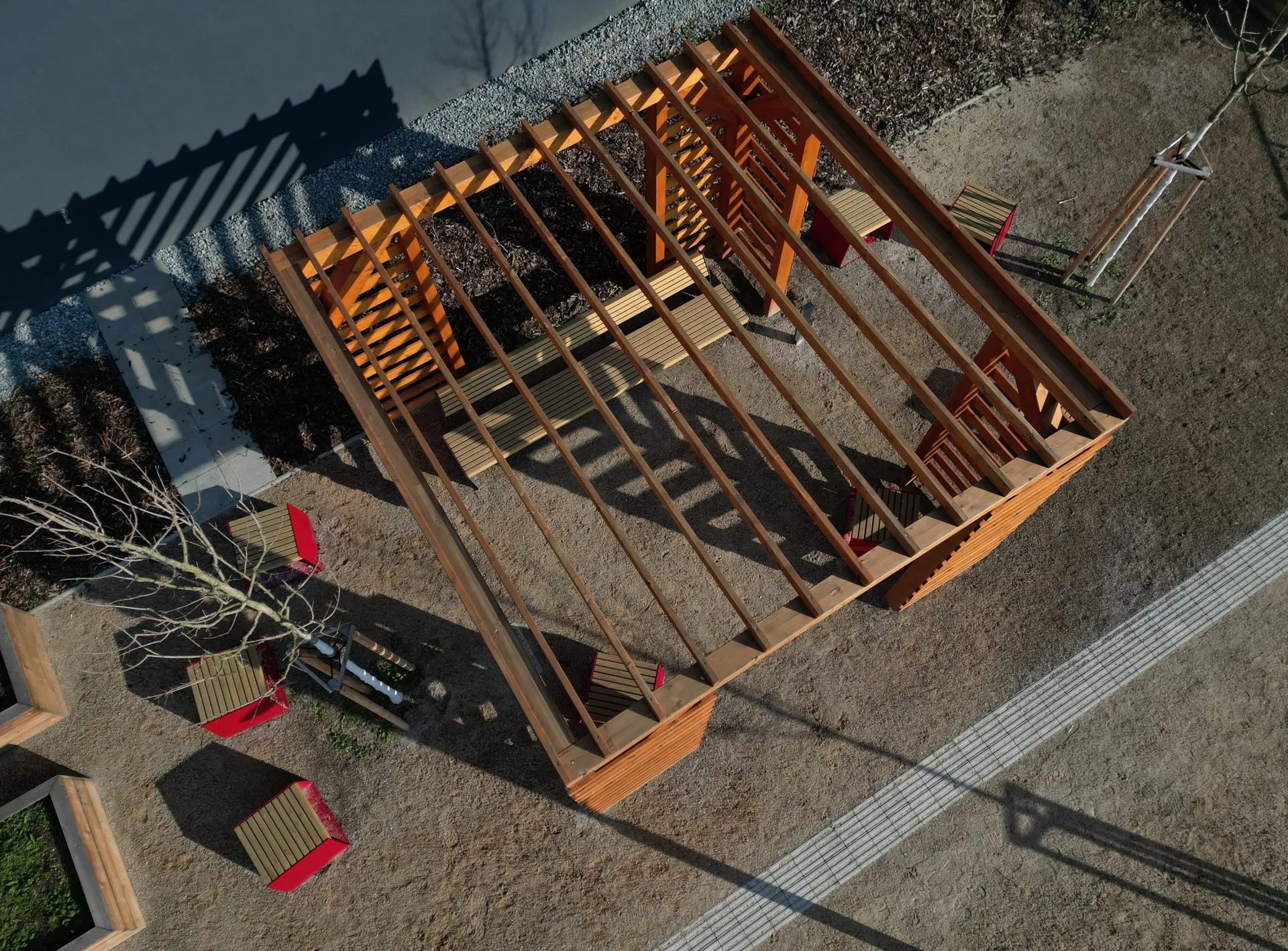
If you have a pergola kit sitting in your garage, or if you are thinking about buying one, consider what you are paying for. You are paying for the materials. The assembly is an additional cost, but it is one that buys you time, safety, and a finished product that looks like it belongs. A professional crew will make sure the posts are plumb, the beams are square, and the roof is level. They will use their own safety glasses and drills and levels. They will clean up when they are done. And if something goes wrong within the first year, they will come back and fix it under warranty.
That is the value of hiring someone who does this for a living. They have the experience, the tools, and the commitment to doing it right. When your kit arrives and you look at the pile of lumber and hardware, you have a choice. You can try to figure it out yourself, or you can call someone who already knows how. We Install It exists for that exact moment. They turn your box of parts into a finished shade structure that you can actually enjoy.